

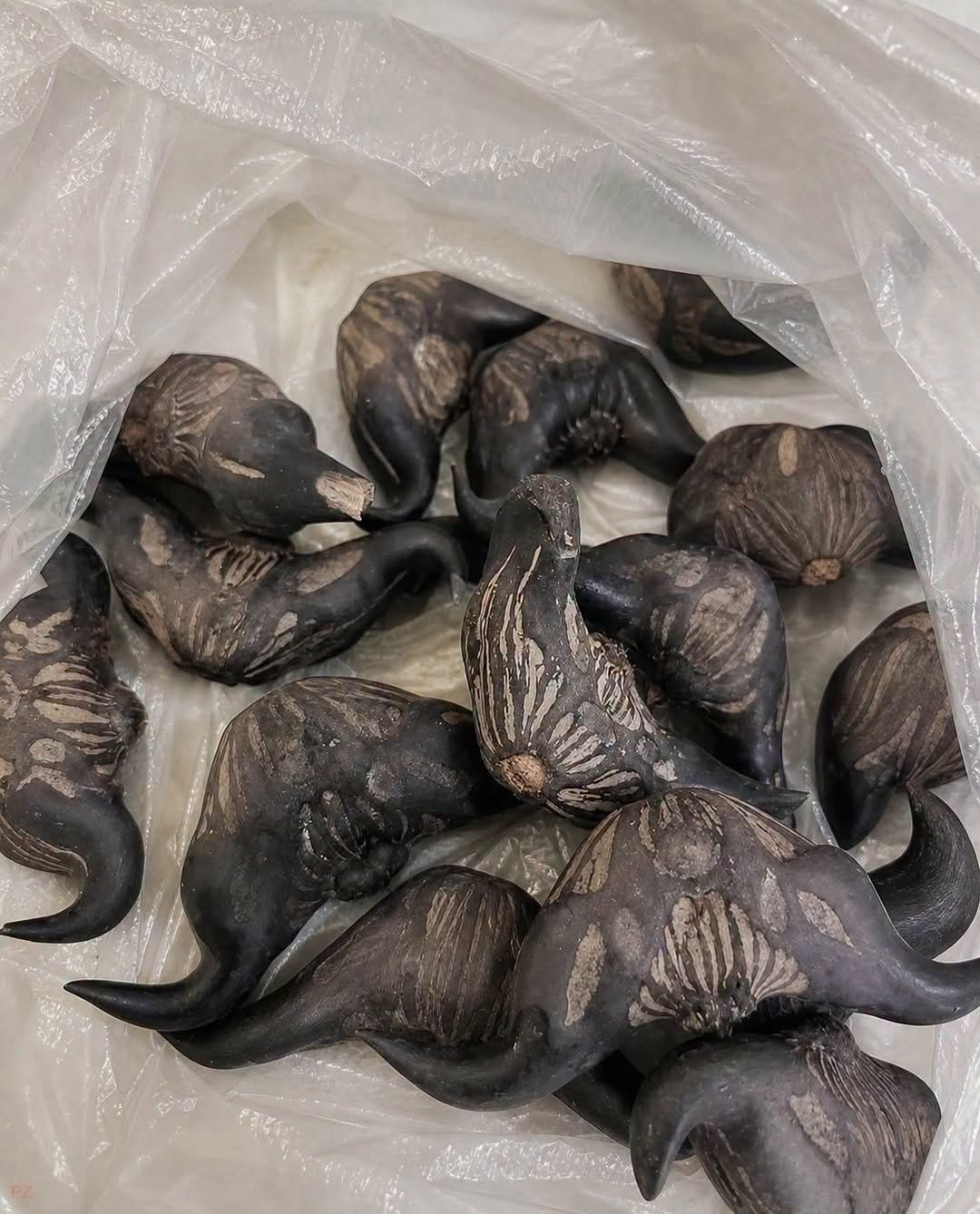
An Important Environmental Issue
Some water caltrop species have become invasive in parts of the world.
They can spread rapidly under favorable conditions and form dense mats across the surface of waterways.
Those dense growths can interfere with:
Boating
Fishing
Recreation
Light penetration
Native aquatic plants
Water movement
So while water caltrops are traditional foods in some places, they can also be considered problematic invasive plants elsewhere.
The species and location matter enormously.
So, How Should You Prepare Them?
If you have positively identified the fruit as an edible water caltrop and know that it came from a reliable food source, a traditional preparation is straightforward.
Step 1: Clean them
Rinse the exterior thoroughly under clean running water.
Because the fruits come from aquatic environments, don’t skip this step.
Step 2: Cook them thoroughly
Boiling or steaming is commonly used.
Follow a trusted recipe for your specific species and size rather than relying on an arbitrary cooking time.
Step 3: Let them cool
The shells can become hot and difficult to handle.
Allow them to cool enough to work with safely.
Step 4: Remove the shell
Carefully crack or cut away the hard exterior.
Avoid the pointed projections.
Step 5: Eat the cooked kernel
The pale interior can be eaten as a simple snack or incorporated into other recipes.
Củ ấu | BvNTP
What Should You Not Do?
Don’t:
Eat an unidentified wild fruit simply because it looks like something you’ve seen online.
Don’t:
Assume that every water caltrop from every region is equally safe.
Don’t:
Eat aquatic plant material raw without understanding the food-safety risks.
Don’t:
Consume fruits that appear spoiled or contaminated.
And don’t:
Release leftover live plants or seeds into local waterways.
These precautions are simple, but they’re important.
The Most Interesting Part Is What’s Hidden Inside
Perhaps that’s what makes the fruit so fascinating.
From the outside, it looks almost impossible to eat.
The dark shell is rough.
The horns make it look intimidating.