

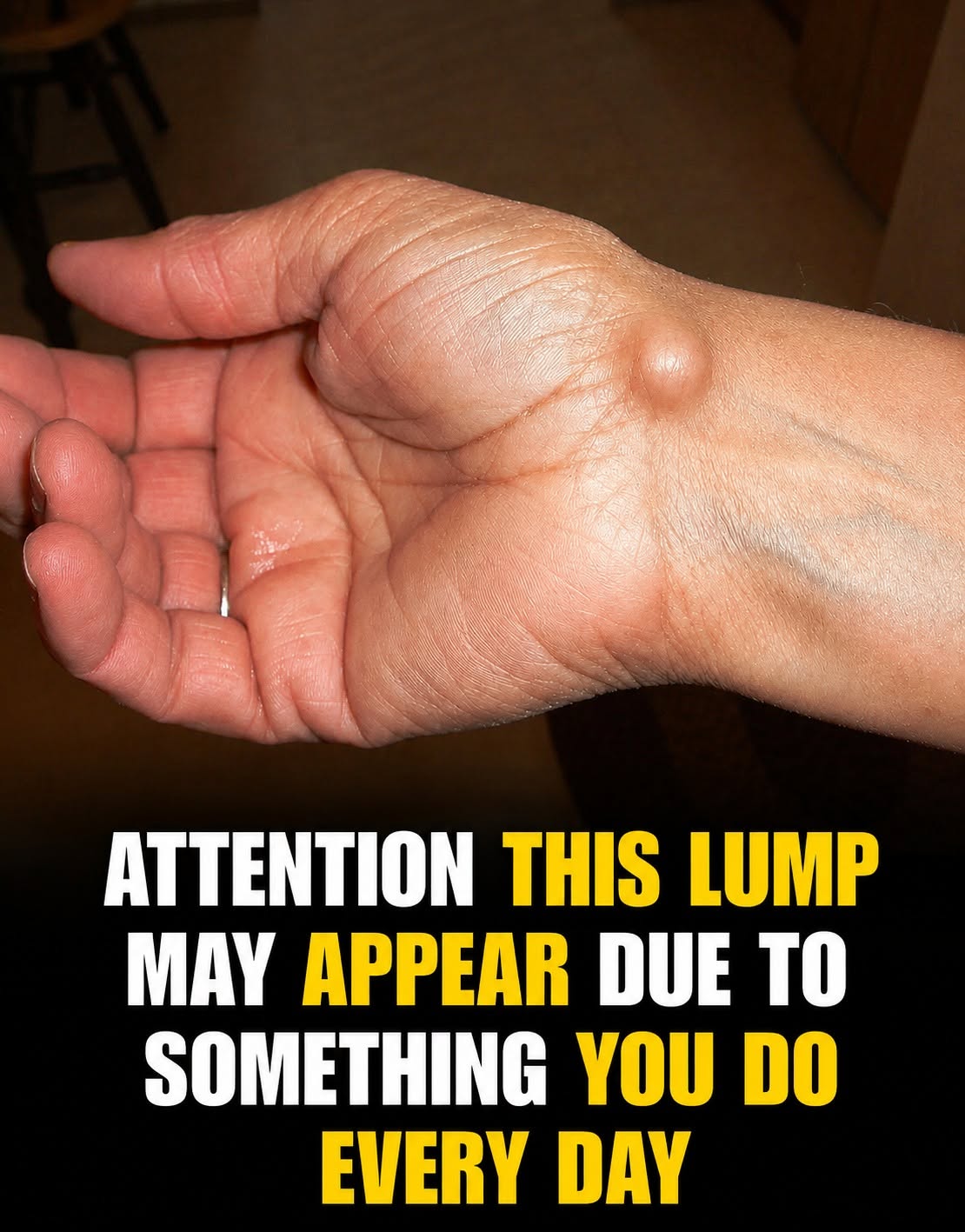
Common symptoms include:
A visible lump on the wrist or hand
Mild to moderate pain, especially during movement
Tingling or numbness if nearby nerves are compressed
Reduced grip strength
Stiffness or limited range of motion
Changes in the size of the lump over time
While most ganglion cysts are harmless, complications can occur if they compress nerves or interfere with joint movement. Persistent pain, increasing swelling, redness, warmth, drainage, or rapid enlargement should be evaluated promptly by a healthcare professional, as these symptoms may indicate another condition or an infection rather than a simple cyst.
Experts believe several factors may increase the likelihood of developing a ganglion cyst. Repetitive wrist movements, previous injuries such as sprains or fractures, inflammation of joints or tendons, and certain forms of arthritis may all contribute. Women are diagnosed more frequently than men, and the condition is particularly common among adults between the ages of 20 and 40.
Diagnosing a ganglion cyst typically begins with a physical examination. A healthcare provider may gently press on the lump, shine a light through it to determine whether it contains fluid, or recommend imaging tests such as ultrasound or MRI if the diagnosis is uncertain or if another type of mass is suspected.
Treatment depends on the severity of symptoms. If the cyst is painless and does not affect hand function, doctors may simply recommend observation because some cysts disappear naturally. For painful or bothersome cysts, treatment options may include wrist splints, anti-inflammatory medication, aspiration to drain the fluid, or surgical removal if the cyst repeatedly returns or significantly limits daily activities.