

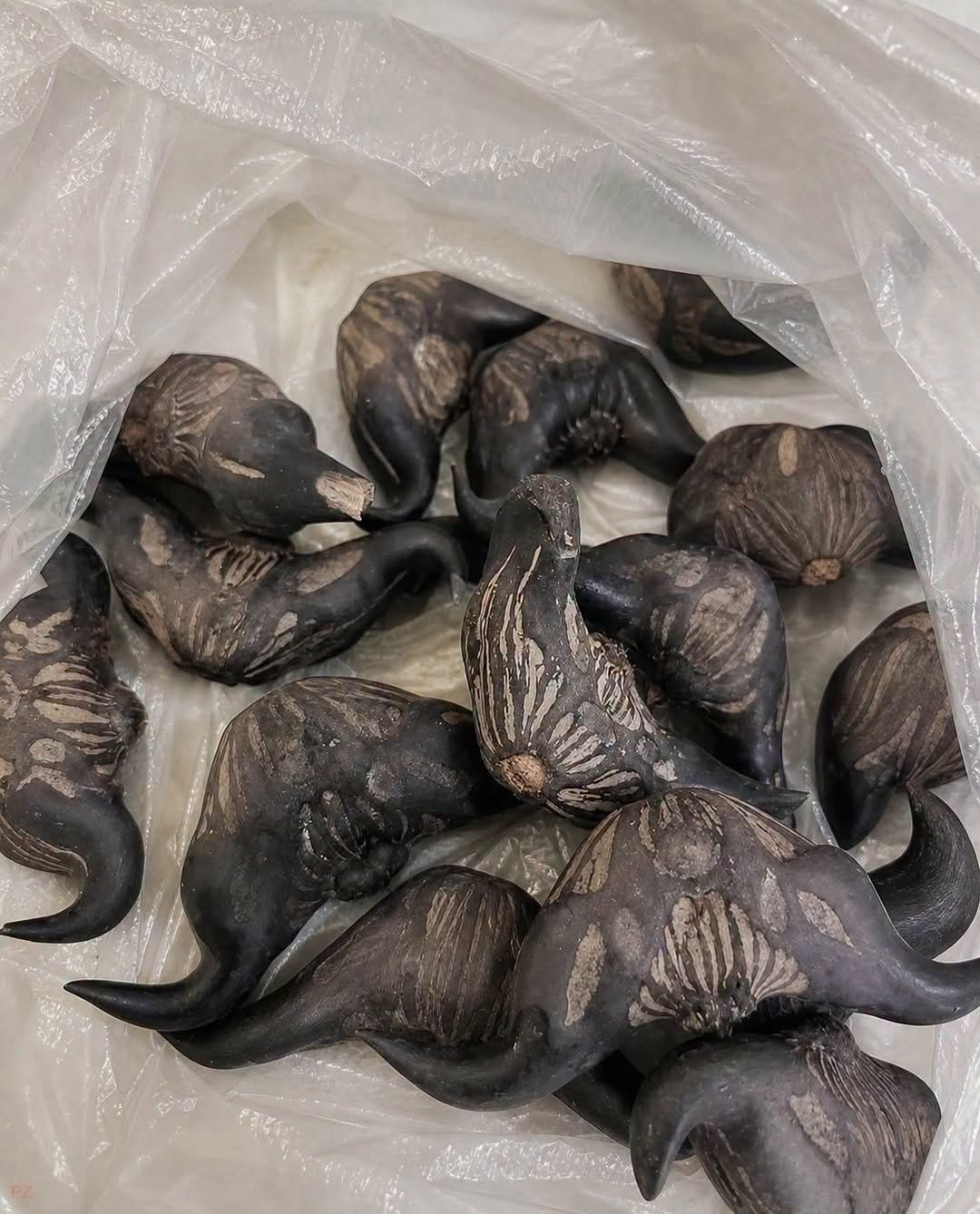
Mixed into rice dishes
Included in soups
Used in stir-fries
Ground into flour
Added to traditional sweets
Used in porridge or other grain-based foods
Some cuisines also dry and grind the edible portion into flour.
That flour can then become an ingredient in different traditional preparations.
A Traditional Food in South Asia
Water caltrops have a particularly long culinary history in parts of South Asia.
In India, for example, a type of water caltrop commonly known as singhara has been eaten for generations.
The fruit is often boiled before the shell is removed.
The edible portion can then be eaten directly or processed into flour.
Singhara flour is also used in some traditional foods, including dishes prepared during certain religious fasting periods.
The food’s popularity is partly due to its starchy nature and versatility.
Water Caltrops in Asian Cuisine
Different species and varieties of Trapa have also been used in East and Southeast Asian food traditions.
Preparation methods differ considerably from one region to another.
Some communities roast or boil the fruits.
Others process the edible portion into flour or incorporate it into traditional recipes.
This is a good reminder that foods that look unusual to one person may be completely familiar to another.
A bag of horned fruits might seem mysterious in one household while being a seasonal favorite somewhere else.
Are Water Caltrops Nutritious?
The edible portion contains carbohydrates and can provide several nutrients, although the nutritional composition varies according to species and preparation.
Because the kernel is starchy, it can provide energy.
Depending on the specific variety, it may also contribute:
Fiber
Potassium
Minerals
Small amounts of protein
Other plant nutrients
However, it’s important not to exaggerate the health benefits.
You may find online claims describing water caltrops as a cure for various illnesses or as a powerful “detox” food.
Those claims often go well beyond what scientific evidence supports.
It’s better to think of them simply as a traditional starchy food that can be part of a varied diet when properly identified and prepared.
Can You Eat Them Raw?
This is where you should be cautious.
Even if some people have eaten aquatic plant foods raw, that doesn’t mean doing so is safe.
Freshwater environments can contain parasites and microorganisms that may be transferred to edible plant material.
The risk depends on the species, environment, harvesting conditions, and local prevalence of pathogens.