

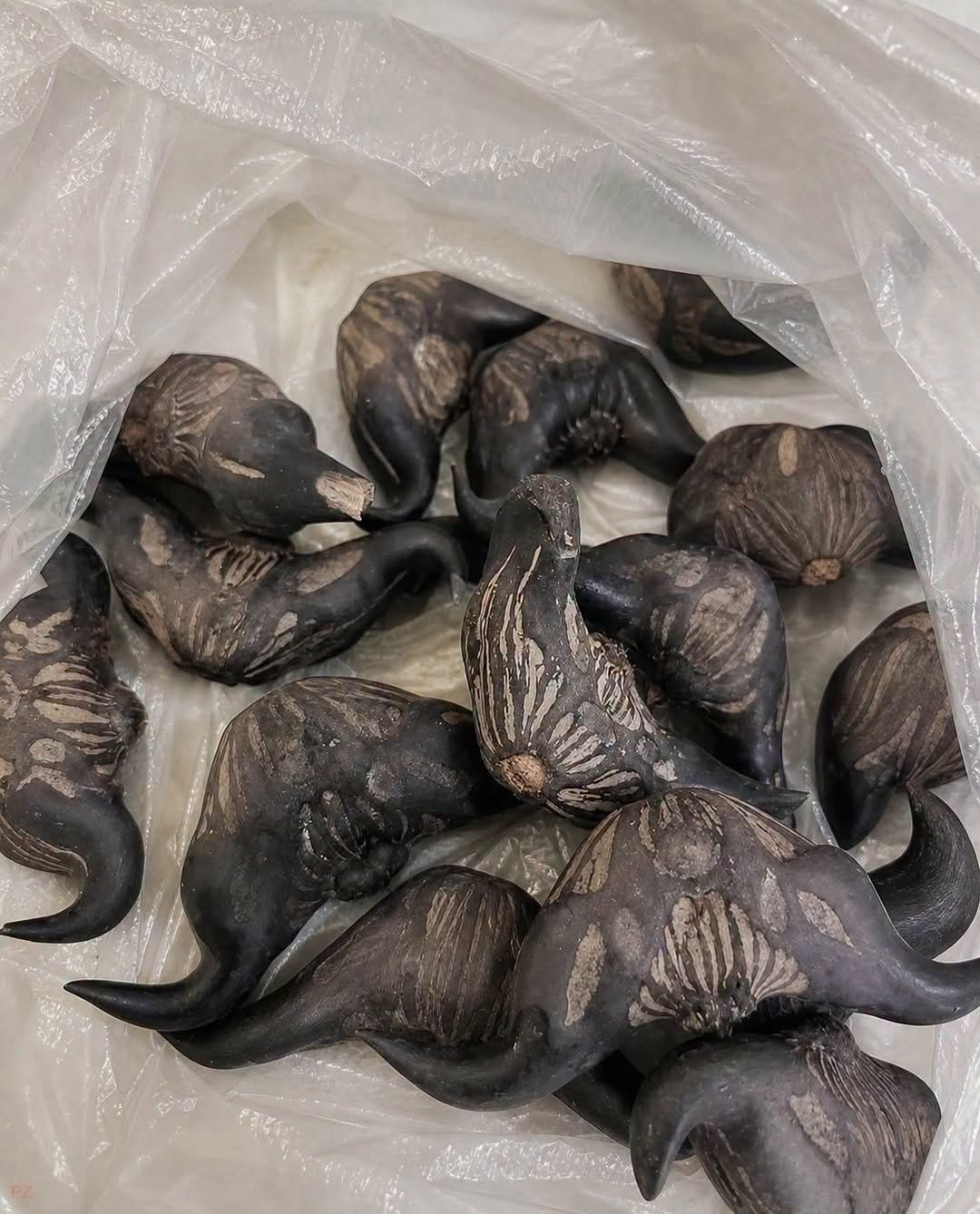
One common approach is to:
Wash the fruits thoroughly.
Cook them by boiling or steaming.
Allow them to cool enough to handle safely.
Crack or cut away the hard outer shell.
Remove the edible kernel.
Eat the cooked kernel on its own or incorporate it into another dish.
The exact cooking time can vary according to size and species, so it’s best to use a reliable recipe specific to the type you have.
Why Cooking Matters
This is probably the most important part of the story.
Because water caltrops grow in freshwater environments, eating them raw isn’t a good idea.
Freshwater plants and aquatic produce can become contaminated with microorganisms or parasites from the environment.
One parasite of particular concern in some regions is Fasciolopsis buski, a foodborne intestinal fluke associated with raw or inadequately cooked aquatic plants.
This doesn’t mean every water caltrop is contaminated.
It means that raw freshwater plant foods can carry risks that cooking helps reduce.
For that reason, traditionally prepared water caltrops are generally cooked thoroughly before consumption.
Don’t Treat Them Like a Normal Fresh Fruit
If you receive a bag of these from a neighbor, don’t assume they’re ready to eat simply because they look clean.
The safest approach is to first establish:
What species are they?
Where did they come from?
Were they harvested from a clean water source?
Have they been stored properly?
Are they intended for human consumption?
This matters because a photograph can suggest an identification, but it cannot guarantee the species or determine whether a particular batch is safe to eat.
If you’re uncertain about their identity or origin, it’s better not to experiment with eating them.
What Do Cooked Water Caltrops Taste Like?
People often describe the edible interior as relatively mild.
The texture is usually more important than the flavor.
Depending on the species and preparation, it may be:
Firm
Starchy
Slightly crunchy
Nutty
Mildly sweet
Similar in texture to a chestnut
That’s one reason they’re often used in dishes where the texture can stand out.
They don’t necessarily have an overpowering flavor.
Instead, they can absorb or complement the flavors of the foods they’re cooked with.
Vị thuốc Củ ấu | BvNTP
How Are They Used in Cooking?
In regions where water caltrops are traditionally eaten, they can be prepared in several ways.
The cooked kernels may be:
Eaten as a snack
Added to savory dishes