
The photograph remained on the table between them.
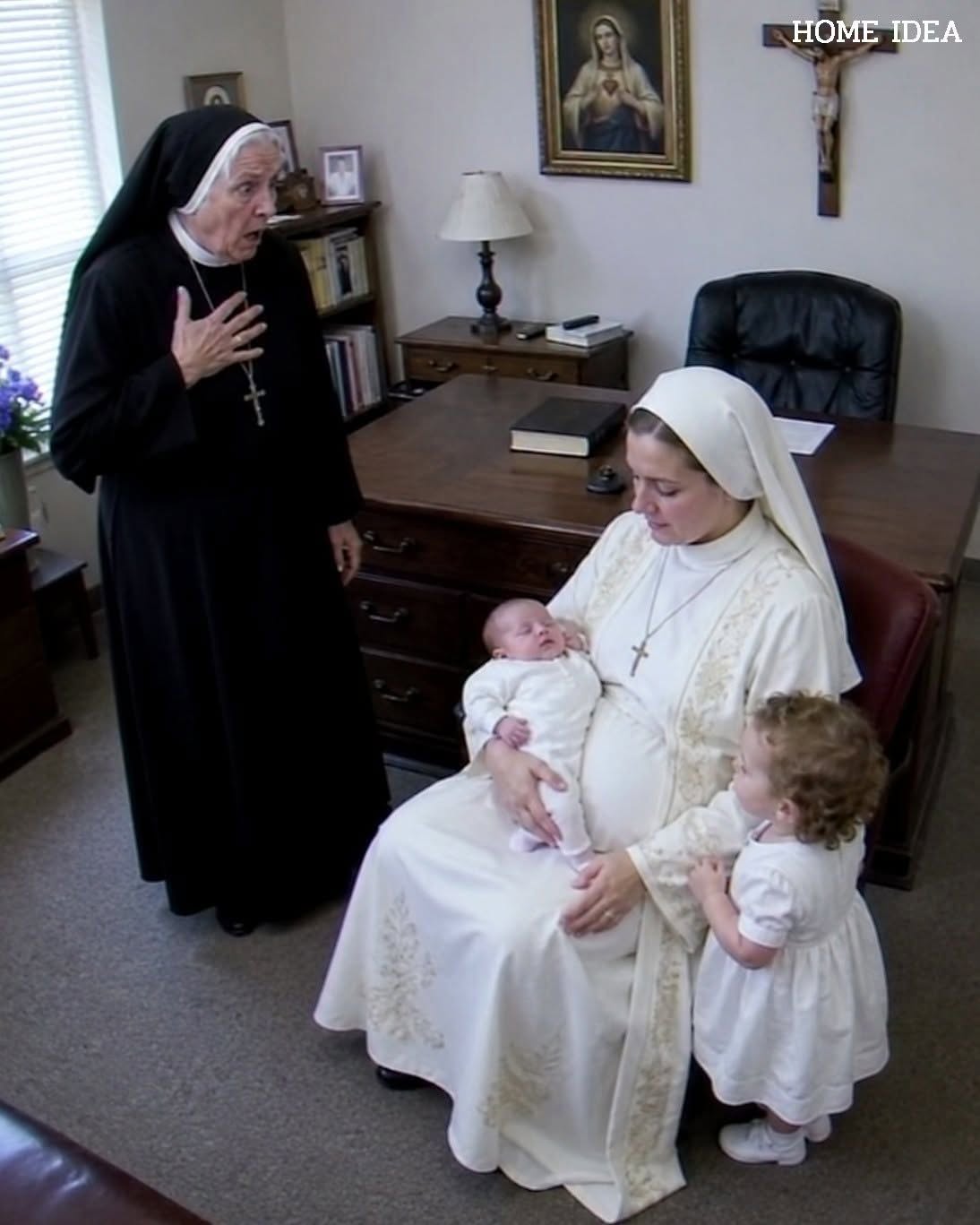
Mother Caridad studied the younger version of Sister Esperanza standing outside the small house in San Aurelio. Without the white habit, she looked almost unfamiliar. Her hair fell loosely over her shoulders, and one hand rested against the gentle curve of her stomach.
Beside her stood Elena.
The resemblance between the two women was unmistakable now that Mother Caridad knew to look for it. They shared the same dark eyes, the same narrow chin, and the same expression people wore when they were smiling for someone they trusted but still carried private worries.
On the back of the photograph, Esperanza’s handwriting seemed to belong to a stranger.
I have chosen this. Please help me remember.
Below it, written by someone else:
Ana remembered everything once before.
Esperanza touched the edge of the photograph but did not pick it up.
“Once before,” she repeated.
Mother Caridad watched her carefully.
“Does anything return when you look at it?”
Esperanza shook her head.
“Only feelings.”
“What kind?”
She searched the photograph again.
“Relief,” she said after a moment. “And sadness. As though I had reached the end of a long conversation and still knew another one was waiting.”
Mother Caridad gathered the letters, medical appointment card, and consent papers into a neat stack.
“We should not decide what this means without speaking to Elena.”
Esperanza looked toward the corridor. Beyond the guest parlor, the quiet routines of the convent continued. A door closed. Someone carried a basket across the cloister. From the garden came Tomás’s laughter as Sister Lucía tried to convince him that pebbles did not need blankets.
“I agree,” Esperanza said.
Her voice was steady, though her fingers remained curled around the table’s edge.
Mother Caridad slipped the photograph into the folder.
“We will leave tomorrow morning.”
“So soon?”
“Would waiting make you calmer?”
“No.”
“Then there is little kindness in delay.”
Esperanza nodded.
“Doctor Paloma should come.”
“She will.”
“And Lucía will remain with the children?”
“I have already considered it.”
Esperanza let out a breath she had been holding.
“Thank you.”
Mother Caridad reached across the table and covered her hand.
“You do not have to thank me for making sure they are safe.”
Esperanza’s eyes lowered.
“I think I have thanked people too often for giving me what should have been ordinary.”
Mother Caridad felt the truth of that sentence.
For years, Esperanza had accepted protection without demanding honesty. She had trusted those around her because trust came naturally to her, and because doubt felt too close to ingratitude.